Western NY Pothole Season: Rim & Suspension Survival Guide
Freeze-Thaw Road Craters, Post-Impact Inspection & Local WNY Repair Resources
The Harsh Reality of Western NY Freeze-Thaw Driving
Every spring, Western New York undergoes an intense climate transition. Severe winter freezes followed by rapid daytime thaws force moisture deep into asphalt roadbeds. When that trapped water refreezes, it expands exponentially, fracturing road surfaces and blowing out dangerous, deep craters across high-volume commuter arteries in Buffalo, Rochester, Amherst, and major commercial truck transit paths.
Striking an unmapped asphalt crater at highway speeds can cause instant structural failures. This Rim & Suspension Survival Guide outlines how to perform a quick emergency visual inspection, spot hidden component damage early, and connect with proper repair assets before a minor issue turns into a hazardous breakdown.
Community road damage log — report bad local street craters or suggest trusted service spots to jim@syr-area.com.
The 4-Step Post-Pothole Damage Inspection
What to check immediately after taking a hard hit on local roadways.
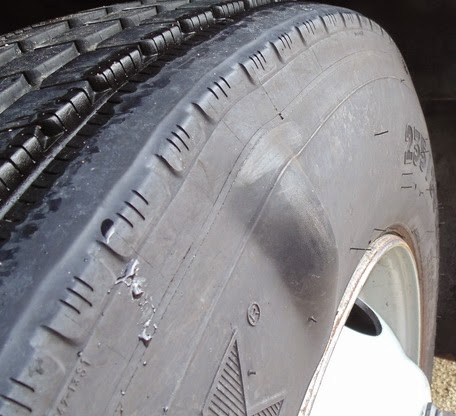
1. Tire Sidewall Bulges
A hard impact can pinch the tire's inner rubber lining against the wheel rim, snapping the structural cords. Inspect tire sidewalls closely for bubbles, bulges, or cracks that indicate an imminent blowout.
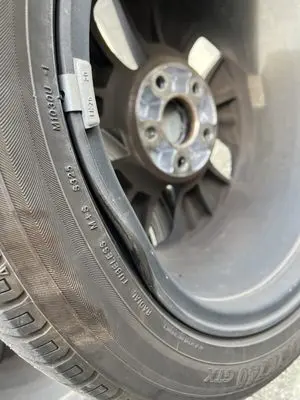
2. Bent or Cracked Rims
Alloy aluminum wheels bend or crack very easily under sudden pressure forces. Look at the outer metal lip or flange for flat spots, distinct bends, or hair-line fractures that slowly leak tire air pressure.
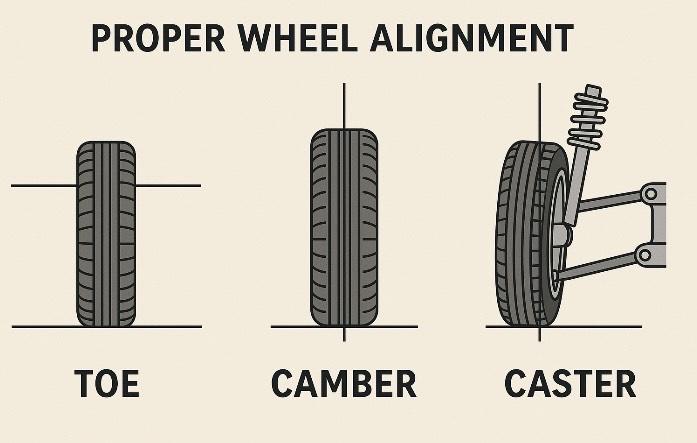
3. Steering & Alignment
Severe road impacts easily bend metal tie rods or control arms, throwing off your alignment tracking angles. Check if your vehicle pulls heavily to one side or if your steering wheel is crooked when driving straight.
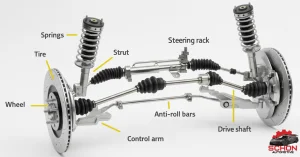
4. Damaged Suspension
Shock absorbers, struts, and sway bar links bear the brunt of local road craters. Listen for deep metallic clunking sounds over bumps, loose handling, or abnormal front-end vibrations.
Proactive Strategies to Survive Pothole Season
Minimize expensive mechanical repair bills by setting up your car defensively before peak spring breakups hit Western NY roads.
Defensive Vehicle Maintenance
- Maintain Correct Tire PSI: Properly inflated tires provide a vital cushion buffer layer protecting expensive custom wheels from crushing rim impacts.
- Increase Safe Following Gaps: Drop back behind large trucks to give your eyes plenty of time to view and avoid unpaved road holes.
- Avoid Braking During Impact: If hitting a pothole is inevitable, release the brake pedal right before contact to allow the wheel to roll through, reducing strut stress.
DIY Emergency Spares Checklist
- Verify Spare Tire Air Pressure: Check that your donut or full-size spare tire isn't flat or depleted inside your trunk floor board.
- Inspect Jack & Lug Wrench Tools: Ensure emergency tools aren't rusted tight and function correctly for unexpected roadside wheel changes.
- Consider Road Hazard Warranties: When purchasing replacement tires locally, ask about structural protection coverages for spring road conditions.
Western NY Commuter Tip: If you sustain vehicle component damage on local public roads, track the exact street address immediately. Drivers can often submit structural damage claims directly to regional municipality offices or the NYSDOT depending on specific route jurisdictions.